Opening Time
All day 9.00 - 18.00
Call Us Now

Flat Torsion Spring: Enhancing Mechanical Systems with Precision Engineering
19 Feb 2024

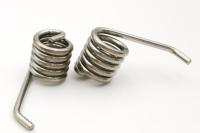
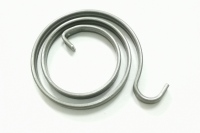
Flat torsion springs, often overlooked in the realm of mechanical components, play a pivotal role in various industrial applications. Defined as specialized springs that exert torque or rotary force, they contribute significantly to the functionality and efficiency of mechanical systems. Understanding the intricacies of flat torsion springs is crucial for engineers and designers aiming to optimize their creations for performance and reliability.   Structure and CompositionMaterials Used: Flat torsion springs are crafted from a diverse range of materials, each selected based on specific application requirements. Common materials include high-carbon steel, stainless steel, and various alloys. The choice of material dictates the spring's durability, corrosion resistance, and flexibility. Design Variations: The design of flat torsion springs varies depending on the intended function and environment. While some may feature a simple rectangular shape, others may incorporate complex geometries to accommodate specific load profiles. Engineers meticulously tailor the design parameters to ensure optimal performance under varying conditions.   FunctionalityPrinciple of Operation: At their core, flat torsion springs operate on the fundamental principle of elastic deformation. When subjected to a twisting force, these springs store potential energy within their structure. Upon release of the force, they revert to their original shape, thereby exerting torque or rotational motion on the connected components. Performance Characteristics: The performance of flat torsion springs is influenced by several factors, including material properties, dimensions, and load conditions. Engineers analyze parameters such as torque, angular deflection, and fatigue resistance to assess the spring's suitability for a given application. Precise calibration ensures consistent and reliable performance over extended periods.   flat torsion spring   Manufacturing ProcessForming Techniques: The manufacturing process of flat torsion springs involves specialized forming techniques tailored to the selected material and design specifications. Methods such as stamping, bending, and laser

Large Coil Compression Springs For Engineering Excellence
30 Jan 2024

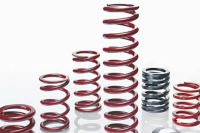
When it comes to heavy-duty mechanical systems, large coil compression springs play a pivotal role. These springs, often overlooked in everyday objects, are critical components in various engineering applications. Understanding their functionality, design considerations, manufacturing processes, applications, and maintenance is crucial for ensuring optimal performance and longevity in industrial settings.   Definition and Function Large coil compression springs are robust, helically wound mechanical devices designed to absorb and store energy when subjected to a compressive force. They work by compressing under load and returning to their original length when the force is removed. This ability to withstand immense pressure while maintaining structural integrity makes them indispensable in numerous industries.   Importance in Engineering In engineering, large coil compression springs are essential for providing resistance and stability in heavy machinery and structures. Whether it's supporting the weight of a vehicle or absorbing shocks in industrial equipment, these springs contribute to the overall efficiency, safety, and reliability of various mechanical systems.   Design ConsiderationsMaterial Selection Choosing the right material for large coil compression springs is paramount to their performance and durability. Materials like alloy steel, stainless steel, and titanium offer high strength, corrosion resistance, and fatigue life, making them ideal for demanding applications.   Wire Diameter and Coil Pitch The diameter of the wire and the pitch of the coils significantly impact the spring's load-bearing capacity and deflection characteristics. Engineers carefully calculate these parameters based on the specific requirements of the application to ensure optimal performance under varying loads and conditions.   Number of Active Coils The number of active coils determines the spring rate and the amount of force required to compress the spring to a certain length. Balancing the number of coils with the desired load requirements is crucial for achieving the desired performance and ensuring the spring operates within its elastic limits. lar

Torsion Spring Kits: A Comprehensive Guide
22 Jan 2024

Torsion springs are ubiquitous components in various mechanical systems, serving the crucial function of storing and releasing rotational energy. They are integral to the smooth operation of garage doors, industrial machinery, and countless other applications. Torsion spring kits provide a convenient solution for replacing or installing torsion springs, offering a comprehensive set of components tailored to specific needs.   Components of a Torsion Spring KitTorsion Springs: At the heart of every torsion spring kit are the springs themselves, meticulously engineered to withstand the rigors of repeated cycles while maintaining optimal performance. Mounting Hardware: These include brackets, bearings, and other essential fixtures required to attach the torsion springs to the supporting structure securely. Safety Cables: Vital for preventing potential injury or property damage in the event of spring failure, safety cables provide an additional layer of security by containing spring fragments. Winding Bars: Essential tools for adjusting the tension of torsion springs during installation or maintenance, winding bars ensure precise control and minimize the risk of accidents. Instruction Manual: A comprehensive guide outlining the step-by-step process of installing or replacing torsion springs, complete with safety precautions and troubleshooting tips.   Factors to Consider When Choosing a Torsion Spring Kit Selecting the right torsion spring kit requires careful consideration of several key factors to ensure optimal performance and safety. Door Weight and Size: The size and weight of the door being operated dictate the type and specifications of torsion springs needed to support its movement effectively. Material and Durability: High-quality materials such as tempered steel or corrosion-resistant alloys contribute to the longevity and reliability of torsion springs, especially in demanding environments. Spring Design and Configuration: Different spring designs, including helical or double-torsion configurations, offer varying levels of torque and flexibility to suit specific applications. Safety Features: Look for kits that incorporate safety feature

Coil Touch Springs: Elevating Your Engineering Level
30 Nov 2023

In the dynamic realm of engineering, where precision and efficiency reign supreme, understanding the intricacies of components like coil touch springs becomes paramount. These small yet crucial elements play a pivotal role in various applications, contributing to the seamless functioning of diverse mechanical systems. In this comprehensive guide, we delve into the depths of coil touch springs, exploring their significance, applications, and the key factors that set them apart.   The Foundation: What Are Coil Touch Springs? Coil touch springs, also known as helical springs, represent a fundamental component in the world of mechanical engineering. These springs derive their name from their distinctive coiled or helical shape. Crafted from high-quality materials such as stainless steel or alloys, they are designed to store and release energy when subjected to external forces, making them indispensable in numerous applications.   Applications Across IndustriesAutomotive Precision In the automotive industry, where precision and reliability are non-negotiable, coil touch springs find widespread use. From ensuring smooth clutch engagement to optimizing suspension systems, these springs contribute to the overall performance and safety of vehicles. Their ability to absorb and dissipate kinetic energy makes them a linchpin in the automotive engineering landscape.   Electronics and Robotics In the fast-paced world of electronics and robotics, where miniaturization is key, coil touch springs prove their mettle. These springs, often employed in various connectors and switches, play a vital role in providing consistent contact force. Their compact yet powerful design makes them an ideal choice for applications where space is at a premium.   Aerospace Precision Aerospace engineering demands components that can withstand extreme conditions without compromising performance. Coil touch springs shine in this arena, contributing to the functionality of critical systems such as landing gear assemblies and control surfaces. Their ability to endure high levels of stress and maintain resilience in challenging environments makes them indispensable in aerospace applications.

Maximizing Garage Door Longevity With Tension Springs
20 Nov 2023

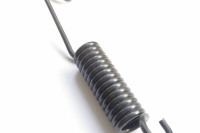
In the world of garage doors, tension springs play a pivotal role in ensuring smooth and reliable operation. As a homeowner, understanding the nuances of garage door tension springs can not only enhance the longevity of your garage door but also save you from unexpected repair costs.   Unraveling the Importance of Garage Door Tension SpringsWhat Are Garage Door Tension Springs? Garage door tension springs are essential components that counterbalance the weight of the garage door, facilitating easy opening and closing. These springs bear the brunt of the door's weight, making them a critical element in the overall functionality of your garage door.   Types of Tension Springs There are two main types of garage door tension springs: torsion springs and extension springs. Torsion springs are mounted above the garage door and wind up when the door closes. On the other hand, extension springs stretch and contract along the tracks, providing the necessary tension for smooth operation.   Signs of Wear and TearDetecting Spring Issues To ensure the optimal performance of your garage door, it's crucial to be aware of signs indicating spring wear and tear. Common symptoms include uneven door movement, excessive noise during operation, or visible gaps in the springs. Regular visual inspections can help catch these issues early on.   DIY Maintenance TipsLubrication for Enhanced Performance Proper lubrication is key to the longevity of garage door tension springs. Use a high-quality silicone-based lubricant to coat the springs and prevent friction. This simple yet effective maintenance task can significantly extend the lifespan of your garage door components.   Balancing the Door Periodically check and balance your garage door. An unbalanced door puts additional strain on the tension springs, leading to premature wear. Adjust the tension on both sides of the door to ensure smooth and even movement.   garage door tension springs   Professional Inspection and MaintenanceRegular Professional Checks While DIY maintenance is beneficial, scheduling regular professional inspections is equally crucial. Professional technicians can identify potent

Maximizing Your PCB Touch Button Spring Experience
09 Nov 2023

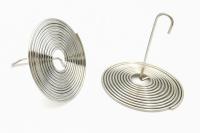
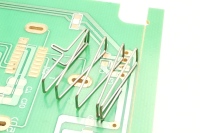
In the ever-evolving landscape of technological advancements, Printed Circuit Board (PCB) touch button springs have emerged as a crucial component, revolutionizing user interfaces across various devices. As we delve into the intricacies of PCB touch button springs, we unveil the secrets to enhance your user experience and shed light on the nuances that set our understanding apart.   Understanding the PCB Touch Button SpringWhat Sets PCB Touch Button Springs Apart? The PCB touch button springs, which are often overlooked, play a crucial role in modern device interfaces. They are not just mechanical components, but rather a masterpiece of precision engineering.  These springs, embedded within electronic devices, facilitate seamless interactions through touch-sensitive interfaces. The uniqueness lies in their ability to provide tactile feedback, making user experiences more intuitive and engaging.   Precision Engineering: The Core of PCB Touch Button Springs At the heart of every PCB touch button spring is precision engineering. These springs are meticulously crafted to ensure optimal responsiveness, durability, and longevity. The materials used in their construction undergo rigorous testing, guaranteeing a reliable and consistent tactile response over extended usage.   Optimizing User Interaction: Making Every Touch CountEnhancing Responsiveness The responsiveness of PCB touch button springs is a key factor that distinguishes them from traditional interfaces. By integrating cutting-edge technologies, manufacturers ensure that each touch translates into a prompt and accurate response, elevating the overall user experience to new heights.   Customization for Tailored Experiences No two users are the same, and PCB touch button springs acknowledge this diversity. Advanced customization options allow manufacturers to tailor the sensitivity of these springs, catering to individual preferences and application requirements. Whether it's a light tap or a firm press, the responsiveness can be fine-tuned to perfection.   PCB touch button spring   Longevity and Reliability: Unraveling the Engineering ExcellenceDurability Redefined In the re